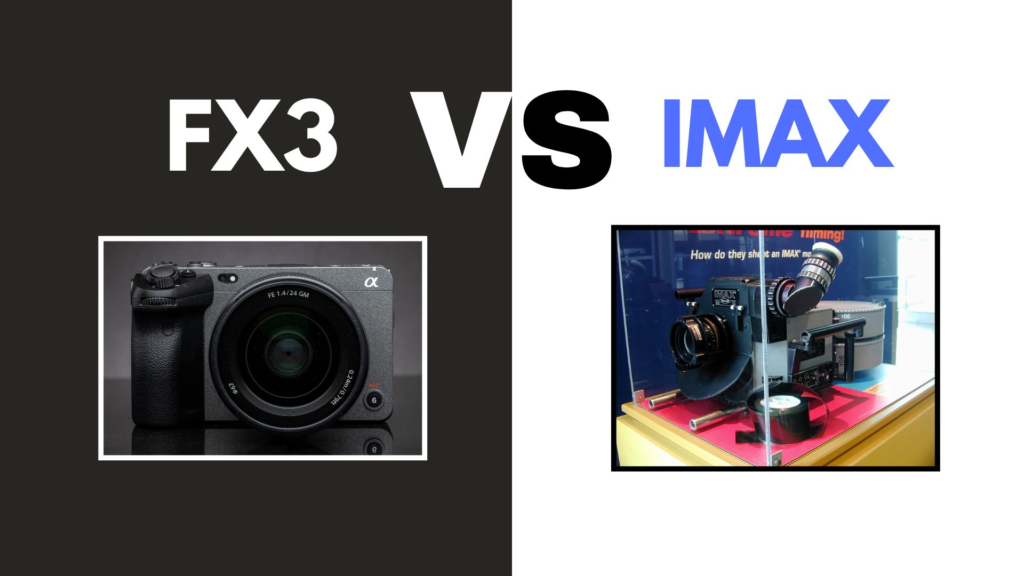
IMAX vs Traditional Theaters
The Creator was directed by Gareth Edwards and released in 2023. It aimed to be a brand-new sci-fi epic with an $80 million production budget. The studio spent another $70 million on marketing. Yet the film failed to turn a profit, earning only $104 million worldwide and losing nearly $50 million. Despite this financial failure, many viewers and critics praised the movie. They considered it a refreshing addition to the science fiction genre. Yet its box office struggles highlight the growing importance of the IMAX vs Traditional Theaters debate in modern cinema.
However, The Creator took an unconventional approach. Rather than using massive crews, studio sets, and expensive cameras, the filmmakers chose a smaller and more flexible method. They shot much of the film on the Sony FX3, a compact digital camera normally used for smaller productions and documentaries.
This approach paid off. The filmmakers shot real locations with a small crew. They built the futuristic world through visual effects in post-production. The result was impressive. The film looked far larger in scale than its budget would normally allow. As critic Chris Bumbray noted, the movie delivers jaw-dropping imagery with relatively frugal special effects and detailed futuristic design.
Given these visuals and a large marketing campaign, the question becomes clear: why didn’t the movie make money?
There are three main reasons why The Creator struggled at the box office. First: the post-COVID shift in how audiences watch movies. Second: the growing need for must-see theatrical events. Third: the short theatrical window that pushes viewers to wait for streaming.
First, COVID-19 changed how audiences watch movies. During the pandemic, streaming services became the main way people watched new films. Even after theaters reopened, viewers kept the same habits. Consequently, many became comfortable staying home instead of buying theater tickets. When viewers know a movie will eventually arrive on streaming, they see less reason to watch it immediately.
As a result, movies now need to offer something streaming cannot. Simply releasing a film in theaters is not enough. Therefore, films must show audiences why the theatrical experience is worth leaving home for.
Second, premium formats like IMAX create must-see theatrical experiences. Movies like Oppenheimer, Avatar, and Dune succeeded because they emphasized scale and immersion. In particular, studios marketed these films around their massive screens and impressive visuals.
Technology matters. Christopher Nolan shot Oppenheimer partly on IMAX 65mm film cameras. These cameras capture enormous visual detail. They were specifically designed for giant IMAX screens and produce extremely high-resolution images that fully use the IMAX format. Audiences see more detail and a larger portion of the image compared to traditional formats.
The Creator used a different approach. It was shot on the Sony FX3, a compact digital camera designed for mobility and efficiency. The FX3 can produce beautiful cinematic images. But it is not designed for IMAX presentations. As a result, The Creator was not marketed as an IMAX spectacle like Oppenheimer or Dune.
IMAX theaters offer an experience audiences cannot get at home. IMAX screens are significantly larger than standard theater screens. They often fill viewers’ entire field of vision. They also use expanded aspect ratios that show more of the image vertically. Combined with powerful sound systems and high-resolution projection, IMAX creates immersion that standard streaming cannot match.
In other words, IMAX gives audiences a reason to leave their homes.
The short theatrical window was also a problem. Movies now arrive on streaming platforms only weeks after their theatrical release. When audiences know a movie will soon be available at home, many choose to wait instead of buying a theater ticket. This reduces the urgency that theatrical marketing needs to create.
The Creator teaches an important lesson about modern movies. Even visually impressive films with strong marketing can struggle. They need to give audiences a compelling reason to go to the theater.
Today, theatrical success depends on offering something streaming cannot. Formats like IMAX provide that advantage. They deliver massive screens, enhanced visuals, and immersive audio that televisions cannot recreate at home.
This is why the IMAX vs traditional theater debate matters. In a world dominated by streaming, audiences want more than awareness. They want experience.
And when it comes to creating an experience worth leaving home for, IMAX still leads the way.