
How to Get Better at Videography: Why Pre-Production Is the Skill Multiplier
If you’re asking yourself how to get better at videography, the answer isn’t just better gear, learning more, and shooting more. Yes, these can help greatly, but they’re incomplete.
Getting better at videography is about executing your vision deliberately. It’s about taking the skills you’ve learned and applying them all cohesively. Unfortunately, this doesn’t just happen on the fly.
From my time in school, studying marketing and digital media production to running client shoots and producing short films like Foam Fury and now Foam Fury 2 (in the works) I’ve realized something crucial.
Skills don’t improve your videos unless you plan to use them.
Pre-production is what turns knowledge into visible improvement. Here’s the bottom line:
Learning Isn’t the Same as Applying
Here is a general list of some concepts you might learn as a videographer.
- Cinematography & Lighting
- Shot composition principles
- Visual storytelling and pacing
- Blocking and choreography
- Color science and exposure control
On client shoots and short films, I’ve developed:
- Faster camera operation
- More confident direction
- More disciplined shot selection
But here’s the truth:
If you don’t intentionally plan to shoot around these skills, you revert back to your instinct. And instinct can hold you back if you’re relying on it too heavily.
Foam Fury 1: Learning While Shooting (My First Ever Short)
When working on Foam Fury, a Nerf gun war short film, we were figuring things out mid-production:
- Choreography was created on the fly.
- Lighting setups were reactive.
- Shot angles were debated in the moment.
- Coverage was decided last minute
It took months of work and long nights to complete, and in hindsight, didn’t reflect the time investment. We were passionate, but inefficient. Ultimately, outside of this exact scenario I would never showcase this film because it doesn’t hold up to my standards.
But we were learning. And that’s why I’m sharing.
Foam Fury 2: Applying Skills Through Pre-Production
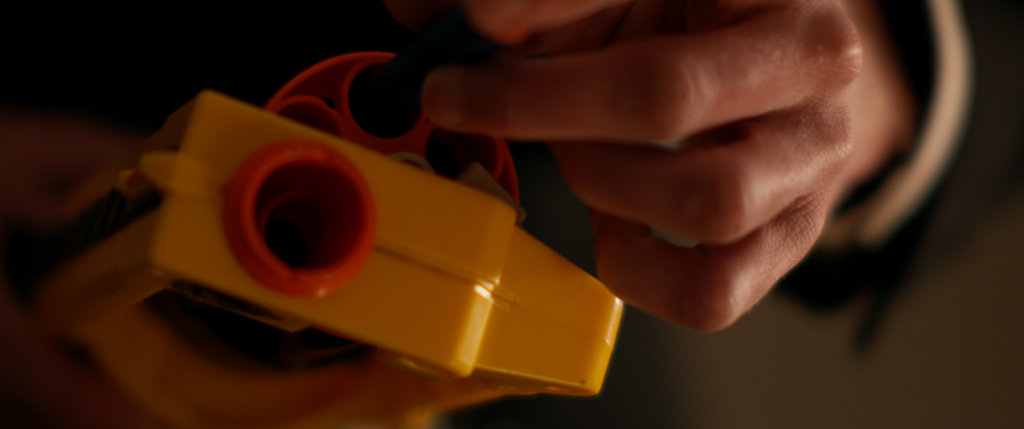
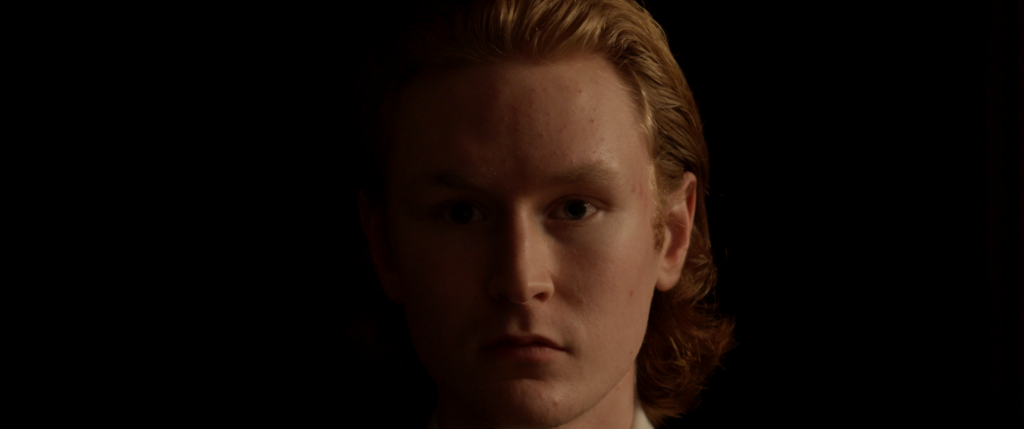
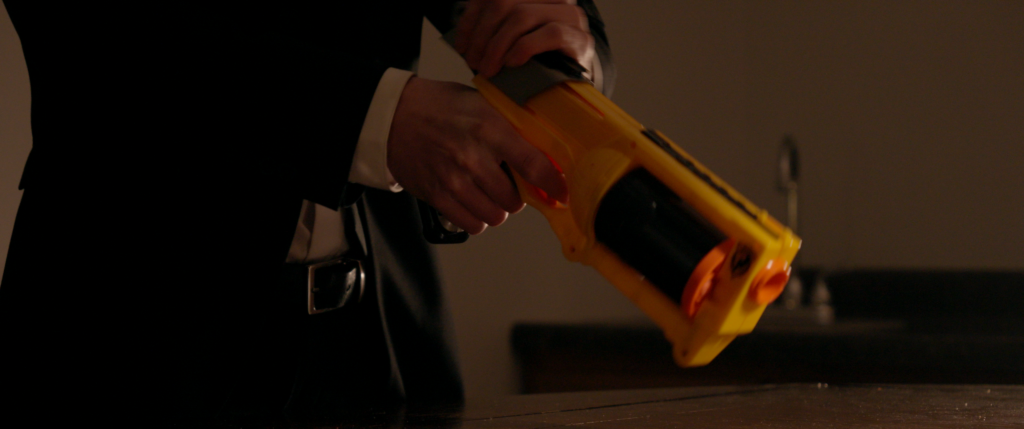
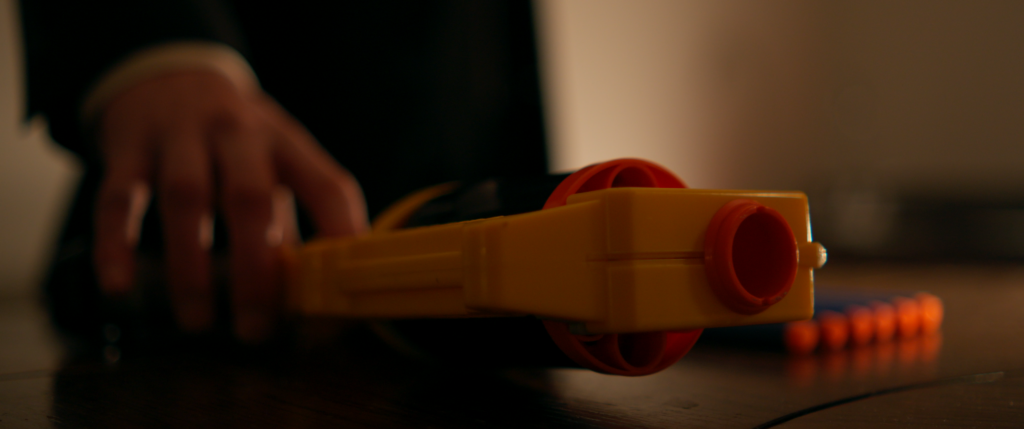
When my friends and I decided it would be fun to continue the franchise and develop Foam Fury 2, everything changed.
We had:
- More technical experience
- More people involved
- A clearer creative direction
- BUT, a tight shooting window: six nights
Between school, work, and more I had very little time to put into Foam Fury 2. But our goal truly was to surpass the first one in every way and make something fun with the friend group. So how did we go about this?
It was planned out all ahead of time.
During pre-production, we:
- Locked down choreography ahead of time
- Created storyboards aligned with choreography
- Planned lighting setups per location beforehand
- Defined pacing and composition
- Scheduled scenes intentionally by efficiency and around actors schedules
Instead of discovering the movie on set, we knew everything that we needed to do and how to do it. The only thing we had to do on set was follow our plans and click record.
And that allowed us to use the skills we’d spent years developing. We didn’t have to worry about forgetting something, because it was all listed out so we could focus more on set.
Final Takeaway
If you want to get better at videography:
- Study intentionally.
- Practice deliberately.
- Plan relentlessly.
Pre-production is where growth becomes visible.
Without it, you’re experimenting every shot.
With it, you’re evolving every shoot.
And that difference compounds faster than any camera upgrade ever will.